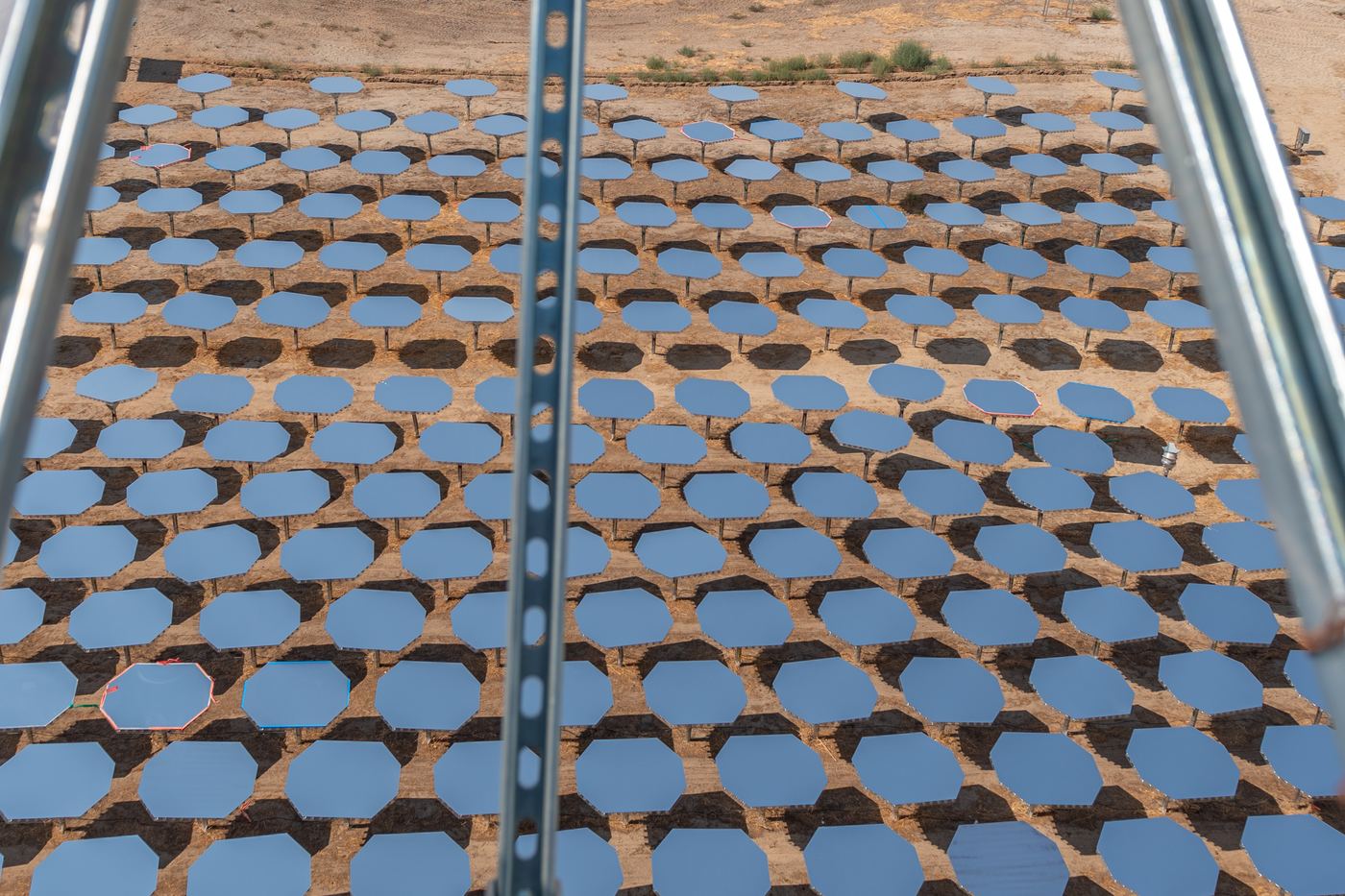
Rows of small heliostat mirrors seen from a tower platform
A heliostat field seen from the tower (Heliogen test facility, Lancaster).

Research strategy

National heliostat technology roadmap (HelioCon)

The challenge
The DOE Heliostat Consortium needed to decide where federal R&D money would do the most for the U.S. concentrating solar industry.
What I did
I led the 2025 update of the HelioCon technology roadmap, working with researchers at the National Laboratory of the Rockies and Sandia and with industry to match research priorities to what developers actually need.
The result
Published in 2026 as a National Laboratory of the Rockies technical report, Roadmap to Advance Heliostat Technologies for High Temperature Solar-Thermal Systems.
Read the roadmap (PDF)

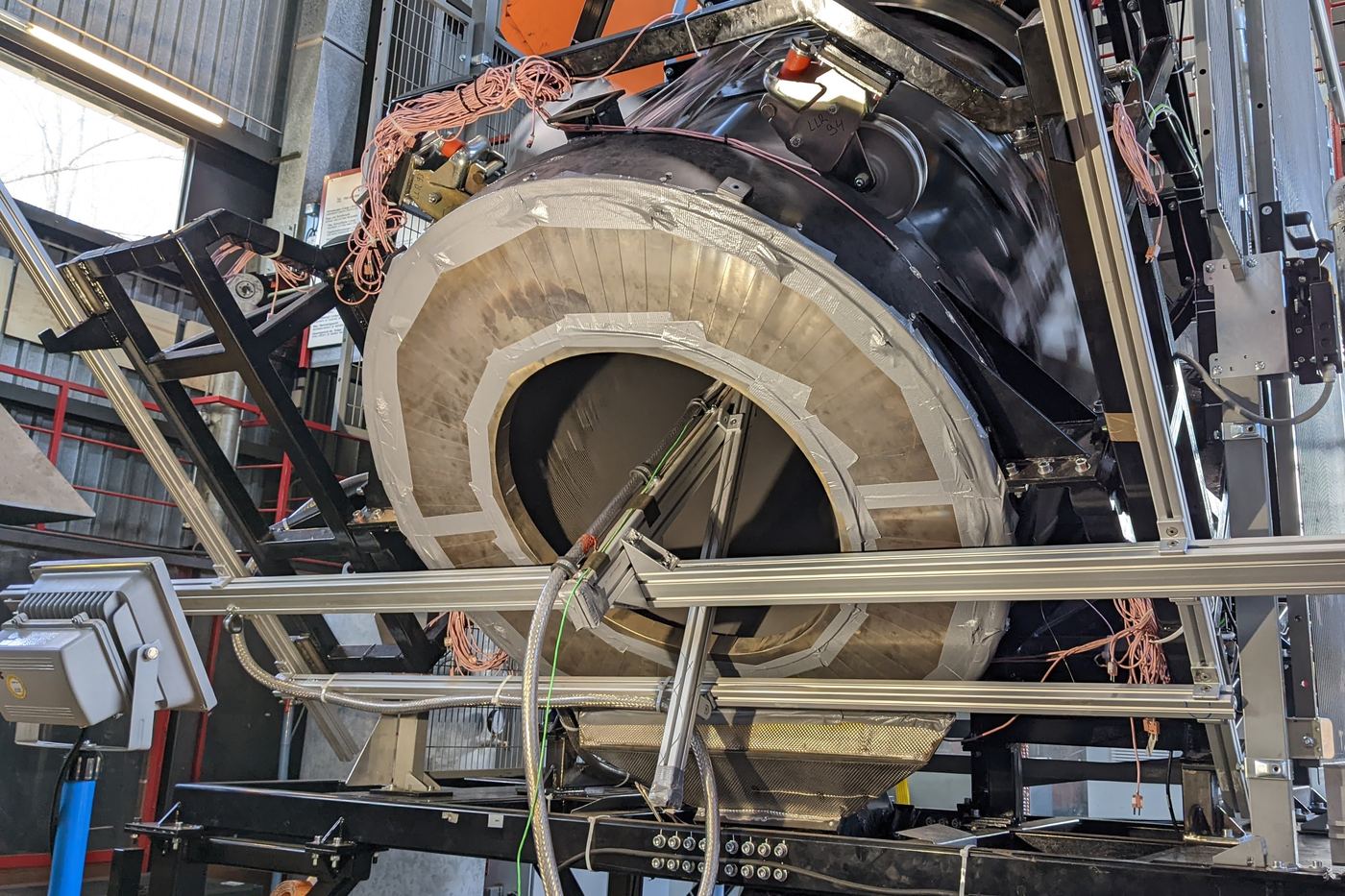
A large particle receiver with its circular opening, mounted in a test frame inside a high-bay building and wired with instrumentation
A Heliogen particle receiver in Germany, before its move to the U.S.

Industrial process heat · FEED study

ASGARD: solar heat for an industrial process

25 MW solar heatHot air ≈ 800 °CRound-the-clock on sunny summer days
The challenge
A project first planned as a CSP and PV hybrid power plant at Kirtland Air Force Base shifted to supplying solar heat to an industrial process.
What I’m doing
I serve as heliostat field expert and advise on integrating solar heat into the process, covering field layout, performance modeling, flux distribution and economics.
The result
FEED study in progress for a plant designed to deliver 25 MW of solar heat as hot air at about 800 °C, with enough thermal storage to run around the clock on sunny summer days.
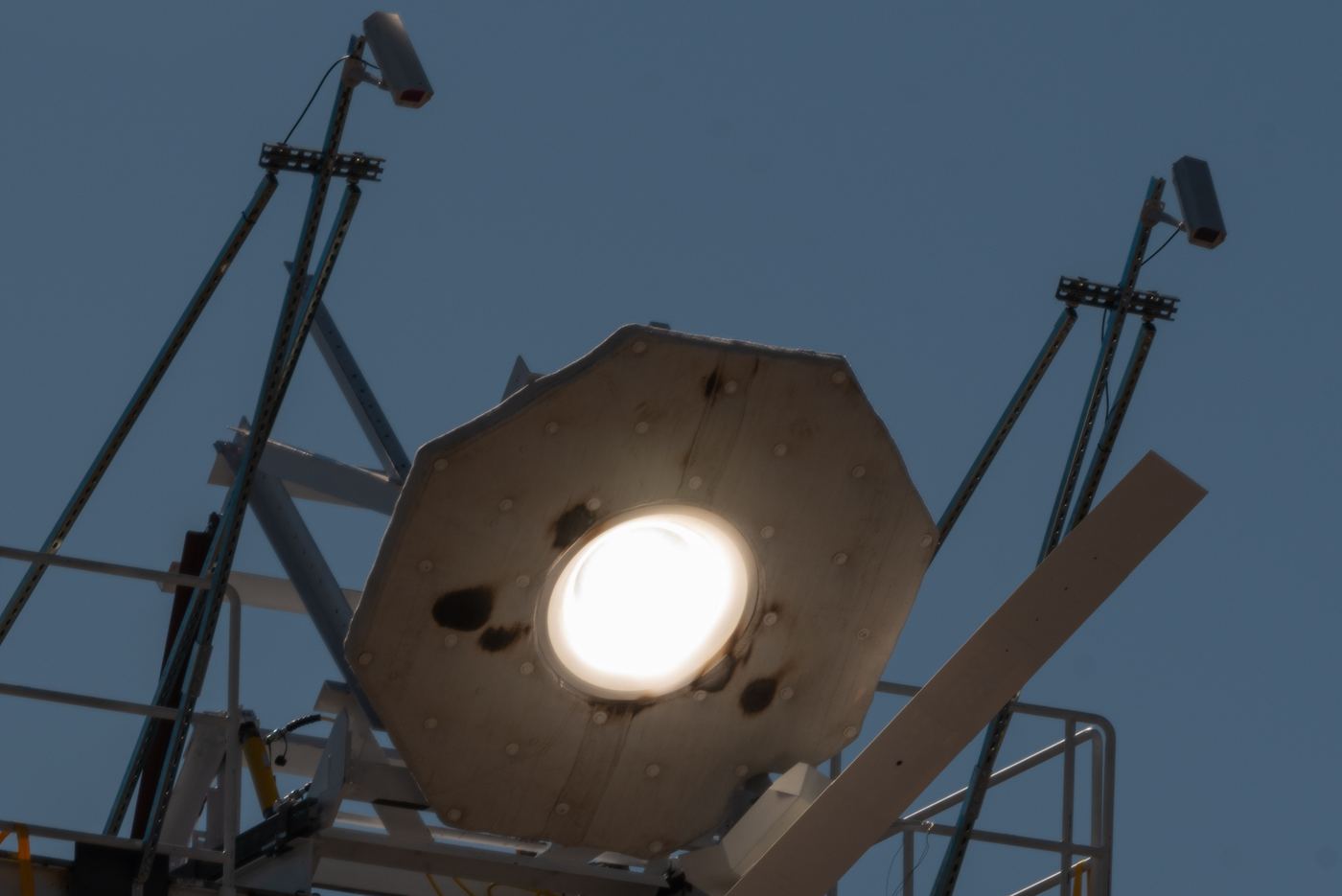
A solar receiver glowing white-hot under concentrated sunlight at the top of a tower
Receiver on sun at Heliogen’s Lancaster test facility.

CTO and Chief Scientist

Heliogen: first-of-a-kind concentrating solar facility

$89M facility$39M DOE awardTeam 11 → 200+
The challenge
Prove that a new generation of concentrating solar technology could deliver very high temperatures commercially.
What I did
As CTO and Chief Scientist, I set the technology roadmap and directed the technical scope of an $89 million facility, funded by a $39 million DOE award and $50 million from commercial partners. I oversaw design, construction and on-sun operation of the test and demonstration facilities, grew the team from 11 to over 200 people, and spent about half my time with customers as the technical lead in sales.
The result
The first heliostat field to operate in true closed-loop fashion. Real-time observations of where each heliostat’s beam landed fed back small tracking corrections, improving the whole field’s performance.

Before Heliogen

Earlier work

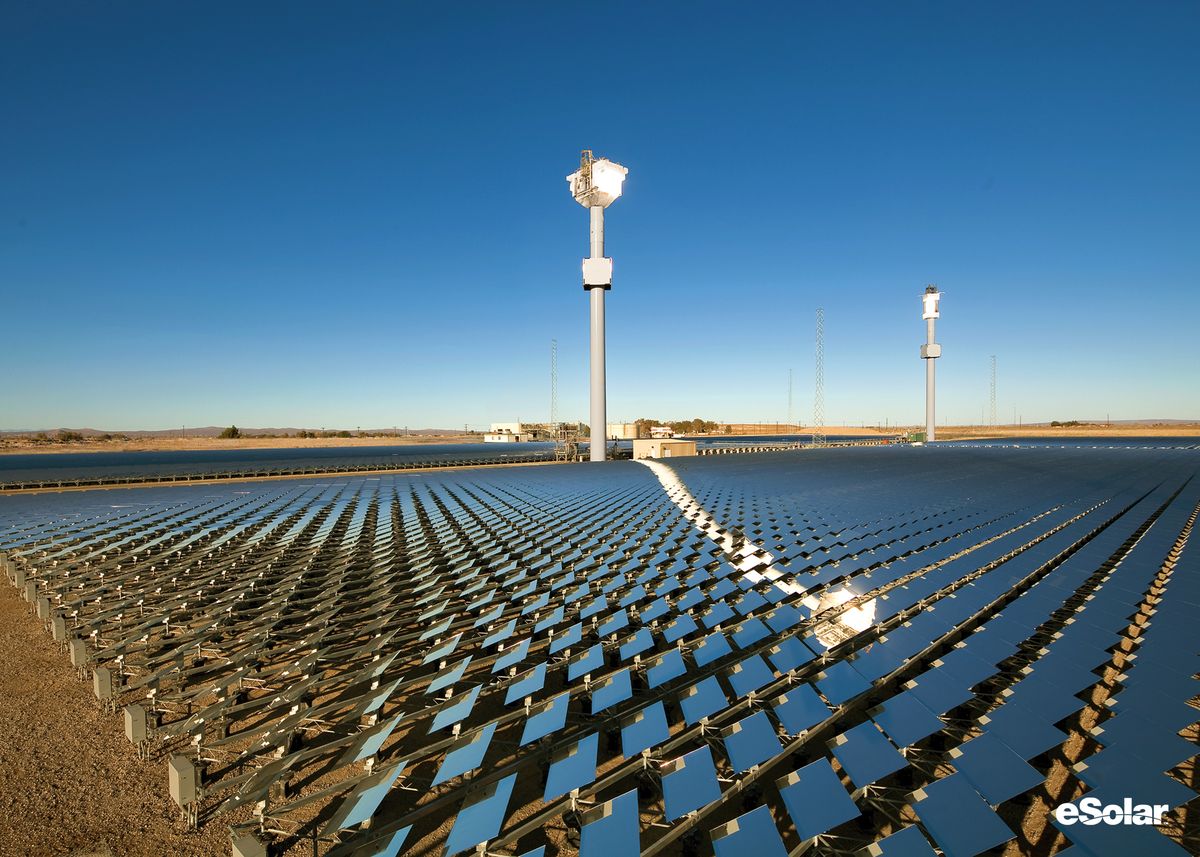
Two receiver towers above a field of small heliostats at eSolar’s Sierra SunTower plant

eSolar

Led electromechanical and systems engineering for power tower plants using fields of small heliostats.

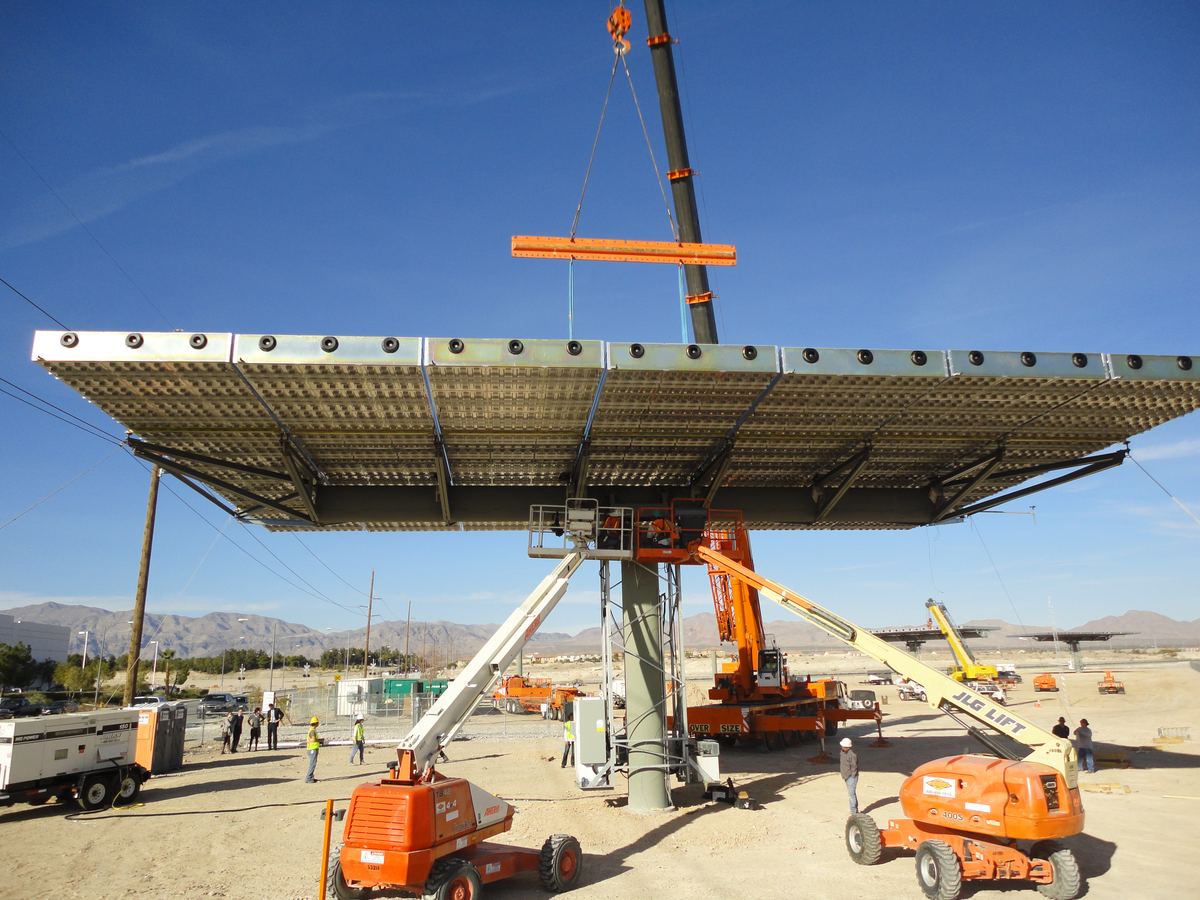
A large concentrating PV tracker being lifted into place by crane

Amonix

Led engineering for utility-scale concentrating PV trackers. Moving from the 7th to the 8th generation tracker raised power output about 25% while cutting bill-of-materials cost nearly 30%.

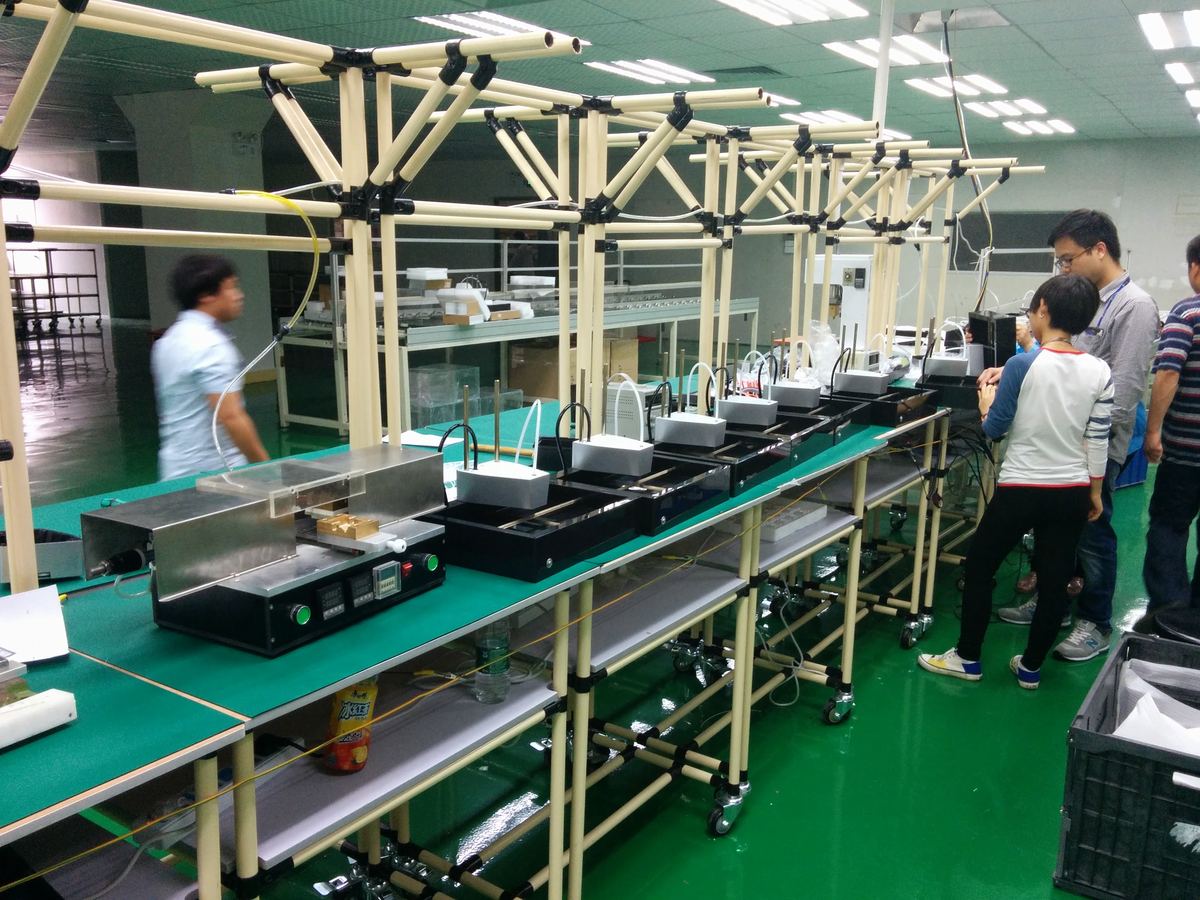
3D printer assembly line in a factory

New Matter

Co-founded a consumer 3D printer company, raised over $14 million, and set up manufacturing in China. More than 10,000 printers shipped.

Let’s talk

Tell me about your project. A short note is the best way to start.